Pillows are essential sleep supports that influence comfort, alignment, and quality of rest. In this category, materials range from cotton and microfiber to memory foam and feather blends, each offering distinct cushioning and breathability. Understanding fill types, cover fabrics, and firmness levels helps identify options suitable for back, side, or stomach sleepers, as well as for allergy considerations.
Common pillow features include adjustable fills, shredded memory foam, and hypoallergenic covers that resist dust mites. The choice of loft or height determines head and neck support, while quilting patterns and seam construction affect durability. Clarifying intended use and preferred sleeping position can guide readers toward long-lasting comfort and improved sleep hygiene.
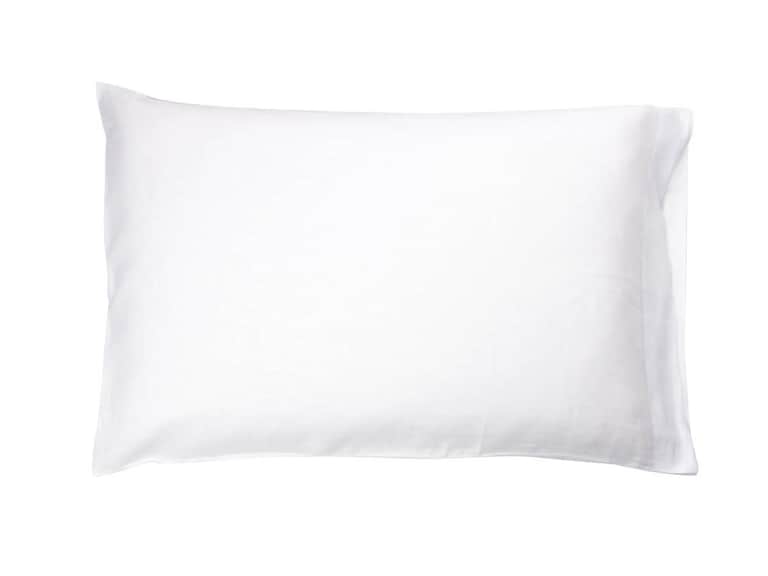
The Classics Geneva Pillow-case exemplifies how pillow accessories can extend the life of bedding. Such cases typically provide a smooth surface to reduce friction, help maintain pillow shape, and protect pillow ethics while enhancing washability. Understanding care instructions for pillowcases contributes to better hygiene and fabric longevity.
In addition to pillow construction, it is useful to consider sheet compatibility, bedding layering, and wash cycles for overall sleep setup. Breathable fabrics like cotton percale or sateen blends support temperature regulation, while moisture-wicking options benefit hot sleepers. Proper care routines preserve softness and structural integrity over time.
Overall, pillows and related accessories play a pivotal role in ergonomic comfort and sensory quality. By evaluating fill, cover materials, and care requirements, one can select pillow solutions that complement sheets, bath textiles, and other bedding components—supporting restful sleep patterns and daily well-being.
 Bedding