A brief primer: what finishing does to linen
Linen begins as a humble fiber—flax spun into yarn, woven into fabric. The magic emerges in the finishing process. Finishes influence not only how linen feels to the touch, but how it performs in daily life: how it drapes over the bed, how it wicks moisture, how quickly it dries after a wash, and how many seasons it remains inviting and intact. Finishes act as design choices that signal intention: a crisp, taut surface for a hotel-like linens aesthetic, or a softer, lived-in texture that warms to the touch after repeated laundering.
Consider the range from stone-washed to hemstitched. Stone-washed linen arrives with a softened hand and a relaxed drape, making it immediately comfortable out of the dryer. Hemstitched and pick-stitched linens bring a refined, architectural detail that stands up to washing and wear. Each finish carries a story about the fiber, the loom, and the care rituals that accompany it.
Stone-washed linen: softness that grows with use
Stone-washing is a finishing technique that pre-softens the fabric using stones or abrasive mechanical action. The result is a fabric with a worn-in softness and a more forgiving hand than a stiff, pre-washed linen might offer. For sleepers who crave immediacy—soft sheets that feel like a well-loved favorite from the first night—stone-washed linen can be compelling. The approach prioritizes comfort and ease of care, with a texture that remains breathable and durable, even after frequent washing.
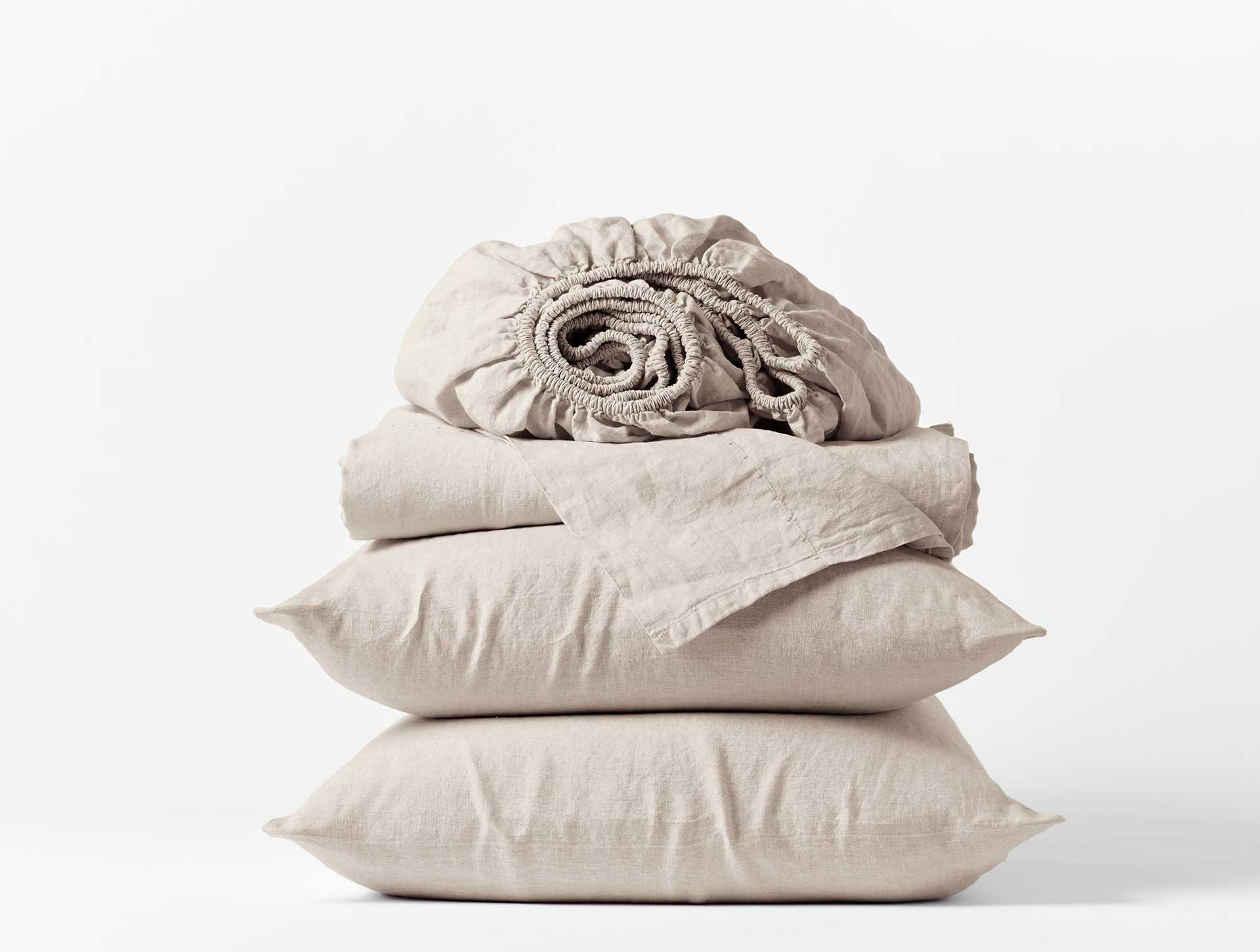
In product lines such as the Layla Linen Sheet Sets from DownTown Company, stone-washing is described as enhancing softness from the very first use. The result is a sheet set that feels cool to the touch, with a relaxed surface that drapes gracefully and maintains temperature regulation. The practical benefits extend to moisture management: linen’s natural moisture-wicking properties help keep sleepers dry and comfortable, an advantage in warmer climates or humid seasons.
Hemstitched and pick-stitched finishes: a tailored silhouette
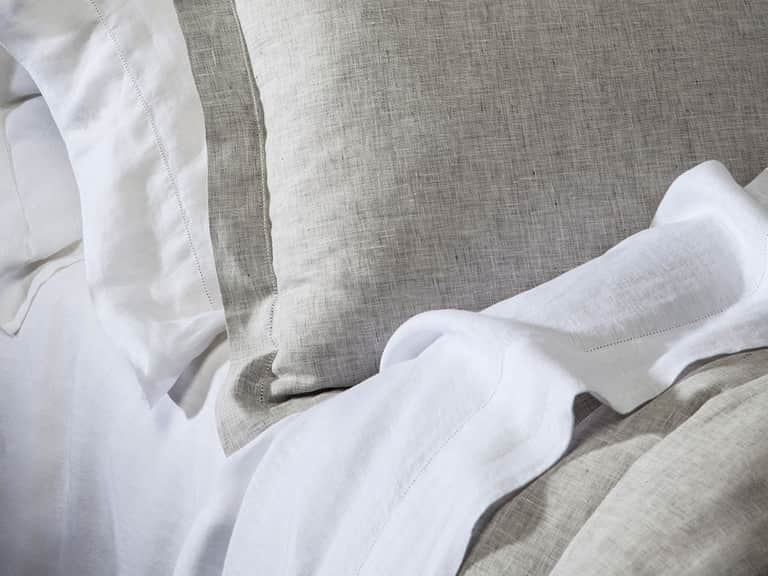
Hemstitching is a subtle decorative finish that involves a small, decorative hem along the edge of the fabric. It adds a refined, tailored look without compromising the fabric’s breathability. Pick-stitching, a closely spaced stitch detail, echoes a sense of craftsmanship and durability. These finishes are common on premium linen sets and are often paired with a crisp, clean aesthetic that complements minimalism as well as classic interiors.
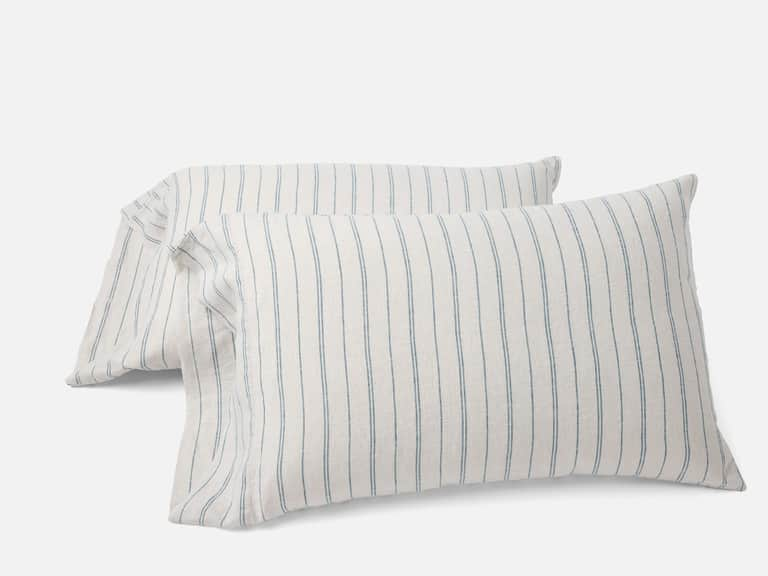
For example, the Organic Relaxed Linen Pillowcases and Sheet Sets frequently feature pick-stitched cuffs or hems, combining functional durability with a design flourish that signals quality. The finishes support long-term wear, resisting fraying and maintaining a neat, elegant profile after repeated laundering. They are particularly effective in sets designed for year-round use, where a clean, fade-resistant edge helps preserve a composed look through countless cycles of washing and drying.
Hemstitch and edge detailing: the tactile and visual balance
Edge details—whether a single row of hemstitch or a more complex piping or flange—do more than decorate. They influence how the fabric handles folding, ironing, and alignment on a bed. A hemstitched edge tends to lie flatter, making it easier to keep the top sheet aligned with the duvet or blanket. A flange or a flange-inspired boundary can add depth and dimension to the bedscape, subtly drawing the eye toward the bed’s silhouette.
In practice, these finishes offer a balance between form and function. They help linen components maintain their shape through laundering while preserving a crisp appearance. This balance matters when readers seek a bedding ensemble that looks sophisticated but remains practical for daily life, especially in households with busy schedules or high turnover of guests.
Care implications: choosing finishes that fit your routine
A finish may influence washing temperatures, drying times, and ironing needs. Stone-washed linen, for instance, often benefits from a gentler approach: washing in cold to warm water and avoiding harsh agitation can help extend the life of the stone-washed texture. Pick-stitched and hemstitched finishes, while durable, may benefit from a cooler iron setting to preserve the fiber’s natural character and to avoid flattening the stitch details.
Many readers will appreciate linen that requires straightforward care. The Organic Relaxed Linen Sheet Set and Organic Relaxed Linen Pillowcases, both GOTS-certified and produced across France and Portugal, emphasize ease of care: machine washing with like colors, low heat drying, and a light touch with iron when desired. The plant-based softener finishes used in some lines can contribute to a softer, more inviting hand with each wash, while still preserving the fabric’s structural integrity.
Brand voices and finishes: a quick landscape
Across the market, brands such as Coyuchi, Libeco, and DownTown Company offer finishes that illustrate the editorial range from pristine to patinated. Coyuchi’s organic relaxed linen lines emphasize a lived-in softness achieved through garment-washed processes, while Libeco’s linen collections highlight more traditional, structured finishes that can lean into a hospitality-grade aesthetic. The Layla Linen Sheet Sets from the Downtown Company, with their stone-washed, single-hemstitch detail, epitomize a modern comfort that remains rooted in classic linen performance.
These finishes—stone-washed, hemstitched, pick-stitched—form a vocabulary that helps buyers articulate preferences in a crowded market. They enable editors and consumers alike to compare textures, anticipate how linens will wear, and estimate maintenance needs. The finishes are not mere adornment; they are promises about feel, resilience, and the daily rituals of care.
Key individuals in the linen story: bridging time and craft
Understanding linen finishes benefits from a historical perspective that includes voices from different time periods and regions. Here are three figures who illuminate the broader tapestry of linen's craft and commerce:
- Thomas Jefferson (18th–19th century): A statesman and polymath who, beyond politics, engaged with early American textile manufacturing and the dissemination of practical knowledge about domestic textiles. His writings and era framed linen as an essential, durable fiber for households and public life, laying groundwork for later consumer access to high-quality linen goods.
- María de la Luz Cordero (20th century): A textile innovator who chronicled the modernization of European linen production, linking traditional linen crafts with industrial processes. Her scholarship and ethic emphasize the importance of provenance, sustainable practices, and the cultural significance of linen across regions—especially in Mediterranean and Atlantic-facing textile centers.
- Juan Carlos Libero (21st century): A contemporary designer-supplier who bridges European linen traditions with global markets. His work highlights how stone-washed and pick-stitched finishes have become tactile signatures in modern bedrooms, combining craftmanship with scalable manufacturing to meet diverse consumer preferences.
These figures, spanning different periods, remind readers that linen finishes are not merely about texture; they reflect a continuum of care, technique, and trade that shapes how we experience sleep and textiles in daily life.
Practical buying guidance: how to choose linen finishes
When selecting linen finishes, readers should weigh texture, care needs, and climate. Stone-washed linen tends to feel immediately soft and breathable, ideal for those who want comfort with minimal break-in. Hemstitched and pick-stitched linens provide a tailored look that suits both modern and traditional interiors, while also signaling quality and durability in wash cycles. For all finishes, verify fiber content, weave type, and the presence of certifications such as GOTS, which reflect organic production standards.
As a practical touchpoint, consider a real-world benchmark: the Layla Linen Sheet Sets from DownTown Company, made in Portugal and described as stone-washed for softness, align with a consumer desire for an adaptable bed that pairs with matching shams and duvet covers. Their construction and finish illustrate how a finish choice informs both aesthetics and day-to-day maintenance.
A note on accessibility and inclusivity
Readers come from diverse backgrounds and have varying needs. This guide emphasizes accessible language, clear definitions, and straightforward care instructions. By grounding the discussion in practical terms—care temperatures, wash cycles, and dry times—the article invites a broad audience to engage with linen’s finishes without feeling overwhelmed by jargon. An editor's responsibility is to translate textile complexity into a readable, actionable narrative that supports informed decision-making for homes and small businesses alike.
A curated product glimpse: real-world options
To illustrate the finishes in action, consider a concrete option that embodies stone-washed texture and timeless tailoring. The DownTown Company Layla Linen Sheet Sets—crafted from 100% flax linen, stone-washed for softness, and finished with a single hemstitch—offer a practical example of how a finish translates into comfort, durability, and style. The set is sold in classic white, designed for year-round use, and manufactured in Portugal with a reputation for textile craftsmanship. It represents a white-hot benchmark for readers seeking reliable performance and a clean, modern aesthetic.
Layla Linen Sheet Set (DownTown Company)
Finish: Stone-washed, single hemstitch detail
Fabric: 100% flax linen; Weight and texture engineered for breathability and moisture management.
Made in Portugal; coordinate with Layla yarn-dyed duvets and shams for a cohesive bedroom look.
Organic Relaxed Linen Pillowcases (Coyuchi)
Finish: Pick-stitched cuffs; garment-washed for relaxed softness
Fabric: 100% organic flax, woven in Portugal; GOTS certified.
Care: Machine wash cold; tumble dry low; plant-based softener finish for a durable softness.
These options demonstrate how finishes translate into tangible everyday experiences: softness, ease of care, and a timeless aesthetic that suits a wide range of interiors. Readers interested in exploring further should consult catalogs and product pages for related finishes—hemstitched edges, linen with a washed, breathable hand, and the interplay between texture and colorfastness across seasons.
A closing perspective: finishes as a narrative
Linen finishes are more than technical specifications; they are a narrative about how a fabric aged with care becomes part of a home. A stone-washed sheet set reads as a living piece of furniture—soft, breathable, and ready for the rhythms of daily life. A finely hemstitched duvet cover signals something sharper, more refined, a design choice that endures through change in decor and lifestyle. In this way, the finishes you select speak to a belief in thoughtful, sustainable textiles that honor the past while serving the present.
As this guide shows, understanding how finishes influence feel, durability, and care empowers readers to make choices aligned with their values and routines. It invites a conversation about linen that is neither aspirational nor abstract, but concrete, usable, and deeply human in its everyday rhythms.